Hey there, fellow parents and animation enthusiasts! As someone who’s spent countless hours navigating the wonderful, sometimes chaotic world of children’s entertainment, I’ve noticed a fascinating pattern when it comes to shows like Hello Carbot.
You know, the one with those awesome cars that transform into heroic robots? My own little ones, and many others I’ve chatted with, seem to gravitate towards it at very specific ages, and their reasons?
They’re surprisingly diverse! It’s not just about flashy robots; there’s a whole spectrum of engagement depending on whether your child is just starting preschool or already tackling early elementary grades.
Understanding these viewing preferences isn’t just about picking the next show; it’s about seeing how their little minds are developing and what truly captures their imagination as they grow.
I’ve seen firsthand how a show can spark different kinds of joy and learning at various stages. It makes you wonder, doesn’t it, what really draws them in at each developmental leap, especially in today’s rapidly evolving digital landscape where content is abundant but quality engagement is key?
Let’s dive deeper into this and uncover the magic behind Hello Carbot’s appeal across different age groups. I’ll tell you all about it!
When you’re a parent, every show your kids watch feels like a mini-experiment, right? You wonder what they’re actually getting from it, beyond just keeping them occupied for a precious few minutes.
From my own adventures raising little humans, I’ve seen how shows like Hello Carbot, with their amazing transforming robots, really tap into different parts of a child’s imagination and development depending on their age.
It’s truly fascinating to watch their eyes light up for entirely different reasons as they grow. This isn’t just about entertainment; it’s about seeing how their minds are growing, what sparks their curiosity, and how they connect with the world around them.
Let’s dig into why these incredible transforming car-robots manage to captivate our kids so brilliantly at various stages of their young lives.
The Allure of Transformation and Simple Heroes
For our youngest viewers, typically the three to five-year-old crowd, Hello Carbot is pure magic because it’s built on the incredibly satisfying concept of transformation. I mean, who doesn’t love seeing a sleek car suddenly morph into a powerful robot? My own little one, when he was around three, would gasp every single time a Carbot changed form, like it was the first time he’d ever witnessed it, even after countless rewatches. It’s that immediate visual payoff, the cause-and-effect that’s so clear and captivating for developing minds. At this age, children are drawn to bright colors, simple shapes, and straightforward narratives. Hello Carbot delivers on all fronts. The characters, while robots, often exhibit exaggerated expressions and clear emotions, making them incredibly relatable even without complex dialogue. It’s not just the flashy robots, but the clear good-versus-evil plots and the consistent heroism that offer a sense of security and predictability. They’re learning about problem-solving in a very digestible way, seeing the Carbots work together to overcome challenges, which subtly introduces ideas of teamwork and helping others. The predictability in the structure of each episode—a problem arises, a Carbot transforms, the day is saved—is incredibly comforting and reinforces their understanding of narrative flow.
Visual Spectacle and Early Problem Solving
The visual design of Hello Carbot really hits home with preschoolers. The vibrant color palettes and distinct character designs make each robot memorable and easily distinguishable, which is key for young children who are still learning to categorize and understand their world. I’ve seen kids pick out their favorite Carbot based purely on color or vehicle type, even before they fully grasp their unique personalities. This visual appeal, coupled with the exciting transformation sequences, serves as a powerful hook. Beyond the aesthetics, these early episodes often present clear, albeit simple, problems that the Carbots solve. For instance, a small town might be in trouble, and the Carbots must figure out the best way to help. This straightforward problem-solving is perfect for boosting a preschooler’s cognitive development, encouraging them to anticipate outcomes and understand basic cause-and-effect. It’s not about complex moral dilemmas yet, but about the fundamental satisfaction of seeing a challenge met and overcome through heroic action.
Building Foundations of Empathy and Social Skills
What often gets overlooked in action-packed shows is their subtle way of teaching social and emotional lessons. For younger children, Hello Carbot introduces basic concepts of friendship, cooperation, and empathy. The Carbots aren’t just cool transforming vehicles; they’re a team, and they rely on each other. My daughter, who’s now a bit older but watched it at this age, would often talk about how the Carbots were “helping their friends.” This show, like many educational cartoons, provides a safe space for children to explore emotions and how characters navigate various social situations. They witness characters dealing with small conflicts or working together, which can influence their own understanding of social interactions. These moments, even if brief, lay down early groundwork for understanding social dynamics and the value of supporting others.
Deeper Engagements: Storylines and Character Development
As children mature into the six to eight-year-old range, their preferences naturally shift. They’re no longer satisfied with just flashy transformations; they crave more complex storylines and character development. This is where Hello Carbot truly shines for this age group, evolving beyond simple heroics to explore themes like loyalty, perseverance, and even the occasional moral quandary. My older son, for example, started noticing the nuances in the relationships between the human characters and their Carbot partners. He’d discuss why a certain villain acted the way they did, showing a developing sense of empathy and critical thinking that wasn’t present a few years prior. This age group can follow more intricate narratives and appreciates characters with distinct personalities and evolving arcs. They are also becoming more aware of what others are doing and might compare themselves to characters, making relatable characters even more impactful. The show’s creators do a fantastic job of weaving in continuous plot threads that reward consistent viewing, fostering a deeper connection with the series and its inhabitants. It’s less about the “wow” of a single transformation and more about the journey and growth of the characters.
Complex Narratives and Moral Lessons
For this slightly older demographic, Hello Carbot episodes often delve into more elaborate plots that require the Carbots and their human friends to think strategically and overcome more significant challenges. The stakes feel higher, and the solutions aren’t always immediate or obvious. This complexity stimulates their cognitive development, as they learn to follow multi-layered stories and predict outcomes. I’ve observed my kids debating the best course of action the characters should take, showing their developing problem-solving skills and critical thinking. The show also subtly introduces moral lessons—not always in a heavy-handed way, but through the actions and consequences faced by the characters. They learn about making good choices, the importance of honesty, and standing up for what’s right, which aligns with their developing sense of morals and values. These deeper themes resonate strongly with children who are starting to navigate more complex social situations in their own lives, making the show a valuable, albeit fun, learning tool.
Relatable Heroes and Imaginative Play
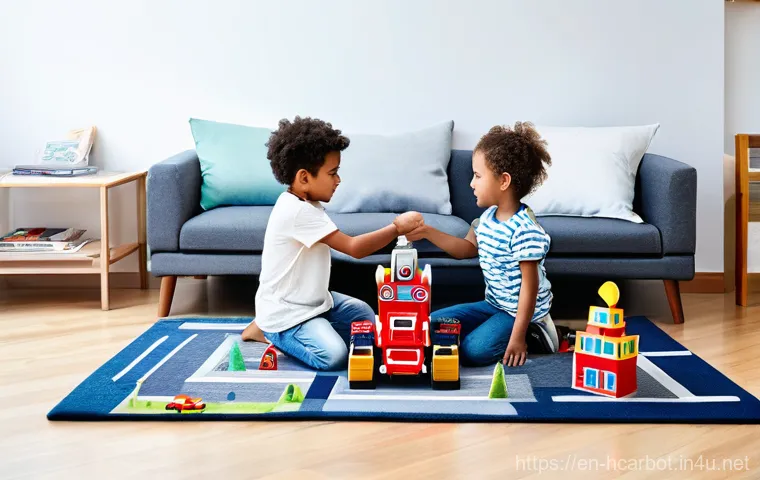
One of the most incredible aspects of a show like Hello Carbot for this age group is how it fuels imaginative play. While younger kids might simply mimic transformations, older children weave intricate narratives around their Carbot toys, creating their own adventures and expanding the show’s universe. I’ve seen entire afternoons disappear as my kids construct elaborate cities out of blocks and then act out rescue missions with their Carbots, complete with dramatic dialogue and sound effects. The characters become templates for their own heroic stories, allowing them to explore themes of good versus evil, teamwork, and leadership in a safe, creative space. This kind of play is crucial for developing creativity, social skills, and even language, as they articulate their elaborate plots and character interactions. It’s a testament to the show’s character design and storytelling that these robots transcend the screen and truly become partners in play.
The Parent’s Perspective: More Than Just Entertainment
As parents, we’re always trying to find that sweet spot between entertaining our kids and ensuring what they consume is actually beneficial. With Hello Carbot, I’ve personally found it to be a show that offers surprisingly rich layers for different developmental stages. It’s not just a babysitter; it’s a conversation starter. We often talk about the episodes after they’re over, discussing why certain characters made specific choices or what they could have done differently. This kind of engagement extends the learning beyond passive viewing and into active discussion. It also offers a chance for us to bond over something they genuinely love, which, let’s be honest, is invaluable in today’s fast-paced world. The bright animation and action keep them hooked, while the underlying themes of friendship, courage, and problem-solving provide a subtle educational benefit that parents can feel good about. It’s a win-win, really.
Beyond the Screen: Inspiring Creativity and Values
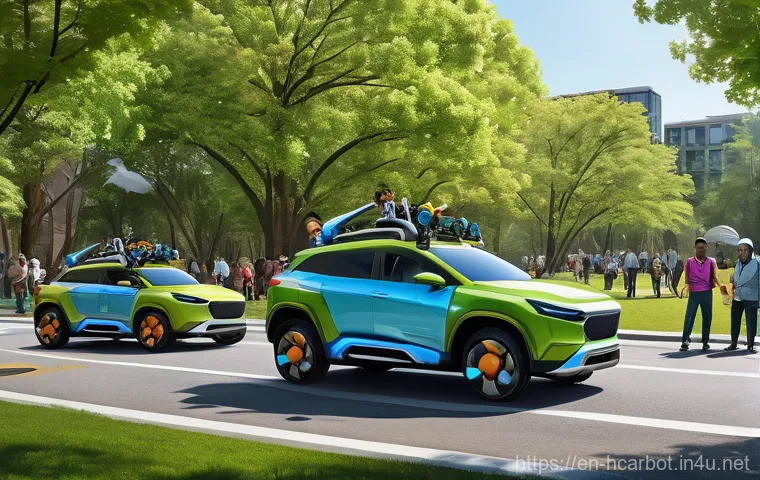
What I appreciate most as a parent is how Hello Carbot fosters positive values and encourages imaginative play long after the screen is off. We’re constantly looking for media that doesn’t just entertain but also enriches our children’s lives, and I truly feel this show delivers. The idea of ordinary vehicles becoming extraordinary heroes resonates deeply, teaching them that heroism can be found in unexpected places. The show consistently promotes traits like teamwork, selflessness, and bravery, which are values I actively try to instill in my own children. My kids don’t just watch the show; they internalize its spirit, often applying the lessons learned to their playtime scenarios or even real-life interactions with friends. It’s pretty amazing to witness. This inspiration to create, whether through drawing their own Carbots or inventing new adventures, is a huge plus.
A Bridge to Broader Interests and Learning
For me, Hello Carbot has served as an unexpected gateway to broader educational topics. For instance, the different types of vehicles that transform into Carbots—police cars, fire trucks, construction vehicles—sparked my youngest son’s interest in community helpers and how they contribute to society. We ended up reading books about firefighters and visiting a local police station, all thanks to a conversation initiated by an episode of Hello Carbot. This show, like many quality children’s programs, can be a springboard for further learning and exploration. It also introduces a foundational understanding of mechanics and engineering, even if it’s fantastical, which can ignite a curiosity for STEM subjects later on. It truly makes me reflect on how children’s media, when chosen thoughtfully, can contribute significantly to their cognitive and social development in ways we might not always anticipate at first glance.
| Age Group | Key Developmental Characteristics | Why Hello Carbot Appeals |
|---|---|---|
| 3-5 Years (Preschool) | Developing imagination, basic problem-solving, understanding simple cause-and-effect, learning colors/shapes, growing emotional awareness. | Exciting visual transformations, clear good vs. evil, simple plots, bright colors, relatable character expressions, emphasis on teamwork and helping. |
| 6-8 Years (Early Elementary) | Longer attention span, more complex thinking, developing sense of right/wrong, stronger friendships, imaginative storytelling, interest in how things work. | Deeper storylines, character arcs, strategic problem-solving, moral lessons, inspiring elaborate imaginative play, introduction to different vehicle types and their functions. |
글을 마치며
It’s truly incredible how a children’s show like Hello Carbot can evolve with our kids, offering something unique at every stage of their early development. From the pure, unadulterated joy of watching a car transform into a robot, to the deeper engagement with complex storylines and character arcs, it’s a show that keeps on giving. For me, it’s been a wonderful tool for sparking conversations, fostering imaginative play, and subtly instilling positive values. As parents, we’re always looking for content that not only entertains but also enriches, and I genuinely believe Hello Carbot hits that sweet spot, making screen time feel a little more meaningful.
알아두면 쓸모 있는 정보
1. Engage in Post-Show Discussions: Don’t let the credits roll without a chat! Ask your children what their favorite part was, why a character made a certain choice, or how they would have solved the problem. It’s a fantastic way to boost their critical thinking and communication skills.
2. Fuel Creative Play: Hello Carbot is a goldmine for imaginative play. Encourage your kids to recreate scenes with their toys, or even better, invent entirely new adventures. Providing open-ended toys related to the show can significantly extend their engagement and creativity beyond screen time.
3. Observe Developmental Cues: Pay attention to how your child interacts with the show at different ages. Younger kids might focus on the visuals, while older ones will dive into the plot. Noticing these shifts can give you insights into their evolving cognitive and emotional development.
4. Explore Related Learning: Use the themes in Hello Carbot as a springboard for learning. The various vehicle types can lead to discussions about community helpers, transportation, or even basic engineering concepts, turning entertainment into an educational opportunity.
5. Balance Screen Time with Other Activities: While engaging, it’s always good to ensure a healthy balance. Mix Hello Carbot viewing with outdoor play, reading, art, and hands-on activities to support a well-rounded developmental experience for your child.
중요 사항 정리
Age-Appropriate Engagement:
Hello Carbot captivates preschoolers (3-5 years) with its vibrant transformations, simple good-vs-evil narratives, and clear visual cues, aiding in basic problem-solving and emotional recognition. For early elementary children (6-8 years), the show offers deeper storylines, character development, and strategic challenges, fostering complex thinking, moral understanding, and extensive imaginative play.
Beyond Entertainment:
As a parent, I’ve found the show to be a fantastic catalyst for family discussions, promoting critical thinking and empathy. It consistently reinforces positive values like teamwork, courage, and selflessness, encouraging children to apply these lessons in their own play and interactions. The series also serves as an unexpected gateway to broader interests, from understanding community roles to sparking curiosity in STEM-related concepts, truly making it more than just a cartoon.
Frequently Asked Questions (FAQ) 📖
Q: What age group is Hello Carbot best suited for, and what makes it so appealing to them?
A: From what I’ve personally observed with my own kids and through countless playdates and conversations with other parents, Hello Carbot really hits its stride with children typically in the 4 to 8-year-old range.
For the younger end of that spectrum, say 4 and 5-year-olds, it’s often the sheer visual spectacle that hooks them. Think about it – cars that turn into giant, colorful robots?
That’s pure magic to a preschooler! They’re drawn to the vibrant animation, the exciting transformations, and the simple hero-versus-villain storylines.
It’s an age where imagination is just blossoming, and these transforming toys really fuel that creative fire. My youngest, bless his heart, spent an entire afternoon just lining up his Carbots and making them “fly” around the living room, even before he fully grasped the show’s plots!
As they get a bit older, around 6 to 8 years old, their engagement deepens. They start to follow the ongoing narratives, understand the characters’ personalities (like Hawk, the quick-witted but sometimes self-centered blue car, or Goldrex, the orange dune buggy dragon), and even pick up on the underlying themes of teamwork, friendship, and problem-solving.
It’s not just about the flashy robots anymore; it’s about the adventures, the challenges Chatan and his Carbots face, and how they overcome obstacles together.
The toys become more than just objects; they’re props for elaborate stories and adventures kids create themselves. It’s truly fascinating to watch how their understanding and appreciation evolve.
Q: Beyond the cool transformations, does Hello Carbot offer any educational benefits for kids?
A: That’s a fantastic question, and one I get asked a lot! As parents, we always hope our kids are getting something more than just entertainment from their screen time, right?
While Hello Carbot isn’t explicitly marketed as an “educational” show in the same vein as some others, I’ve definitely seen some subtle but valuable lessons shine through.
For starters, the storylines often revolve around problem-solving. Chatan and the Carbots frequently encounter situations where they need to think creatively, strategize, and work together to defeat villains or solve everyday dilemmas.
This can subtly encourage critical thinking skills in young viewers. Also, the show often showcases themes of friendship, loyalty, and empathy. The Carbots, despite their distinct personalities, always come together to support Chatan and each other.
My kids have often pointed out instances where a character learned a lesson about being kind or helping a friend, which opens up great opportunities for discussion about real-world social skills.
It’s a fantastic springboard for conversations about what it means to be a good friend or how to handle disagreements. Plus, let’s not forget the sheer imaginative play it inspires!
Turning a regular car into a powerful robot takes a special kind of imagination, and I’ve seen my children’s storytelling abilities really flourish after watching an episode or two.
It might not be teaching them algebra, but it’s nurturing their creative minds and their understanding of social dynamics, which is just as important in my book!
Q: How can parents effectively manage screen time when kids are so captivated by shows like Hello Carbot?
A: Oh, the age-old screen time dilemma! I totally get it – when a show like Hello Carbot has your little one utterly mesmerized, it can feel impossible to pull them away without a full-blown meltdown.
But trust me, it is possible, and consistency is your best friend here. What I’ve found works wonders in our household, and what many other parents swear by, is setting clear boundaries before the show even starts.
Instead of a vague “just one more episode,” try something like, “You can watch two episodes of Hello Carbot, and then it’s time for outdoor play.” Using a visual timer can also be incredibly helpful, especially for younger kids who don’t yet grasp abstract time.
When they see the timer counting down, it makes the transition feel less sudden and more predictable. Another thing I’ve learned is to focus on quality content and co-viewing when you can.
Sitting down with your child, even for a few minutes, and talking about what’s happening in Hello Carbot can turn passive viewing into an interactive, bonding experience.
Ask them about their favorite Carbot, what they think will happen next, or what lessons the characters learned. This transforms screen time from an isolating activity into a shared moment, and it helps you gauge what they’re absorbing.
And crucially, always have an engaging “next activity” ready. Whether it’s building with blocks, reading a book together, or heading outside for some fresh air, having a fun alternative already planned makes the transition from screen to real-world play much smoother.
Remember, it’s about balance and making screens a tool, not a default.