Hey there, fellow Carbot enthusiasts! We’ve all been captivated by Cha Tan’s incredible adventures and the awesome transformations, haven’t we? But beyond the dazzling action, I’ve always been fascinated by how *Hello Carbot* consistently weaves in powerful, relatable themes.
It’s more than just epic battles; each episode subtly explores crucial life lessons about friendship, courage, and problem-solving, making it incredibly meaningful for kids and genuinely engaging for us adults too.
These aren’t random tales; they’re thoughtfully crafted stories that build character and teach valuable perspectives. If you’ve ever wondered about the heart of your favorite episodes and what truly makes them resonate, you’re in for a treat.
Let’s dive right in and explore the fantastic world of Hello Carbot’s episode themes together!
Embracing the Power of Friendship

You know, one of the things that truly resonates with me about Hello Carbot is how brilliantly it showcases the multifaceted nature of friendship. It’s not just about Cha Tan and his loyal Carbot pals teaming up to fight villains; it’s about the deeper connections, the little sacrifices, and the unwavering support that defines true camaraderie. I’ve seen countless episodes where Cha Tan learns invaluable lessons about being a good friend, sometimes even from his Carbot friends who, despite being robots, display such profound loyalty and understanding. Think about the episodes where disagreements pop up – because let’s be real, even the best of friends have their moments – and how they navigate those challenges. It’s never about one-upping each other; it’s about listening, understanding, and ultimately, finding common ground. I remember one specific storyline where a new Carbot felt like an outsider, and it was the existing team’s collective effort, despite their initial skepticism, that brought them into the fold. That’s something I think we all can relate to, whether it’s at school, work, or in our social circles. It shows kids, and even reminds us adults, that opening your heart to new people and truly valuing those around you makes life so much richer. The show consistently reminds us that our friends aren’t just there for the good times, but are also the ones who lift us up when things get tough. It’s a powerful message, brilliantly delivered without ever feeling preachy.
More Than Just Playmates
When I first started watching Hello Carbot with my nephew, I honestly thought it would be just another show about robots fighting. But what quickly struck me was the depth of the relationships. Cha Tan doesn’t just “control” his Carbots; he *partners* with them. There’s a mutual respect and affection that transcends the whole ‘owner and pet’ dynamic. I’ve noticed how often the Carbots act as his moral compass, guiding him when he’s feeling lost or uncertain. They’re not just muscle; they’re confidantes, mentors, and sometimes, even the voice of reason when Cha Tan’s youthful exuberance gets the better of him. This dynamic really hammers home the idea that true friends offer more than just companionship; they offer perspective, challenge you to be better, and stand by you no matter what. It’s a beautifully crafted portrayal of how deeply intertwined our lives become with those we truly connect with, offering a blueprint for healthy, supportive friendships that extend beyond surface-level interactions. It’s been a joy to see how these relationships evolve and strengthen over time.
The Strength in Unity
One of the recurring themes that makes my heart swell is the sheer power of teamwork. Individually, each Carbot is formidable, but together, they are practically unstoppable. And it’s not just about combining their physical strengths; it’s about combining their unique abilities, personalities, and insights. I’ve seen episodes where a seemingly impossible problem is solved not by brute force, but by a clever combination of skills from different Carbots, orchestrated by Cha Tan’s quick thinking. This sends such a clear message: that our differences aren’t weaknesses, but strengths that, when pooled together, can overcome any obstacle. It’s a fantastic lesson for kids learning about cooperation in sports or school projects, and honestly, a great reminder for adults in any collaborative environment. The show really emphasizes that when everyone contributes their best and works towards a common goal, the outcome is always better. It’s a testament to the idea that unity isn’t just about being together; it’s about working together, supporting each other, and celebrating collective achievements. That shared victory feeling is palpable in the show and it’s something I genuinely appreciate.
Bravery in the Face of Adversity
It’s easy to think of bravery as just running headfirst into danger, but Hello Carbot teaches us that it’s so much more nuanced than that. Cha Tan, despite being just a kid, frequently finds himself in situations that would make most adults freeze. Yet, time and again, he demonstrates incredible courage, not just physically, but emotionally. I’ve observed countless moments where his bravery isn’t about being fearless, but about acting despite his fear, protecting his friends, or standing up for what’s right. This resonates so deeply with me because real courage isn’t the absence of fear; it’s the triumph over it. I recall an episode where a Carbot was hesitant to use a new, powerful ability because of the potential risks, and it was Cha Tan’s calm reassurance and belief in his friend that gave him the push he needed. These aren’t just grand, epic battles; sometimes, the greatest acts of bravery are quieter, like admitting when you’re wrong or being vulnerable enough to ask for help. The show perfectly illustrates that true bravery comes in many forms, teaching kids that they, too, can be brave in their everyday lives, whether it’s trying something new, speaking up for someone, or facing a challenge at school. It’s a continuous reinforcement of the idea that inner strength is just as, if not more, important than physical might.
Standing Tall, Even When Scared
I’ve always appreciated how Hello Carbot doesn’t shy away from showing its characters feeling scared. Cha Tan isn’t some invincible hero; he gets nervous, he has doubts, and sometimes he even makes mistakes. But what defines him, and what makes him such a fantastic role model, is his ability to push through those feelings. There are moments where he’s clearly terrified, yet he takes a deep breath and steps up to the plate because his friends need him, or because it’s the right thing to do. This nuanced portrayal of fear and courage is incredibly powerful. It teaches kids that it’s okay to be scared, but it’s how you react to that fear that truly matters. I’ve personally experienced moments where I felt completely overwhelmed, and thinking about these Carbot scenarios reminds me that taking that first, difficult step, even with trembling hands, is what bravery truly looks like. It’s about finding that spark within you that refuses to give up, no matter how daunting the challenge may seem. The show manages to make this complex emotion incredibly accessible and understandable for its young audience.
Finding Your Inner Hero
Every single Carbot episode, in its own unique way, encourages us to find the hero within ourselves. It’s not just about the Carbots’ super abilities; it’s about Cha Tan’s moral compass, his empathy, and his determination. He doesn’t have powers, but his heart and spirit are his greatest strengths. He inspires his Carbots, and by extension, us, to always strive for good. I’ve seen kids after watching an episode, mimicking the Carbot transformations, but also talking about how they want to be as kind or as brave as Cha Tan. That’s the real magic of the show. It tells us that being a hero isn’t about wearing a cape or having laser beams; it’s about the choices you make every day, the kindness you show, and the courage you summon when it’s needed most. It’s a wonderful message that empowers young viewers, letting them know that they, too, have the capacity for greatness and can make a positive impact on the world around them, even in small ways. It’s truly inspiring to see this consistent theme of personal growth and heroic spirit woven throughout the series.
Ingenuity and Creative Problem Solving
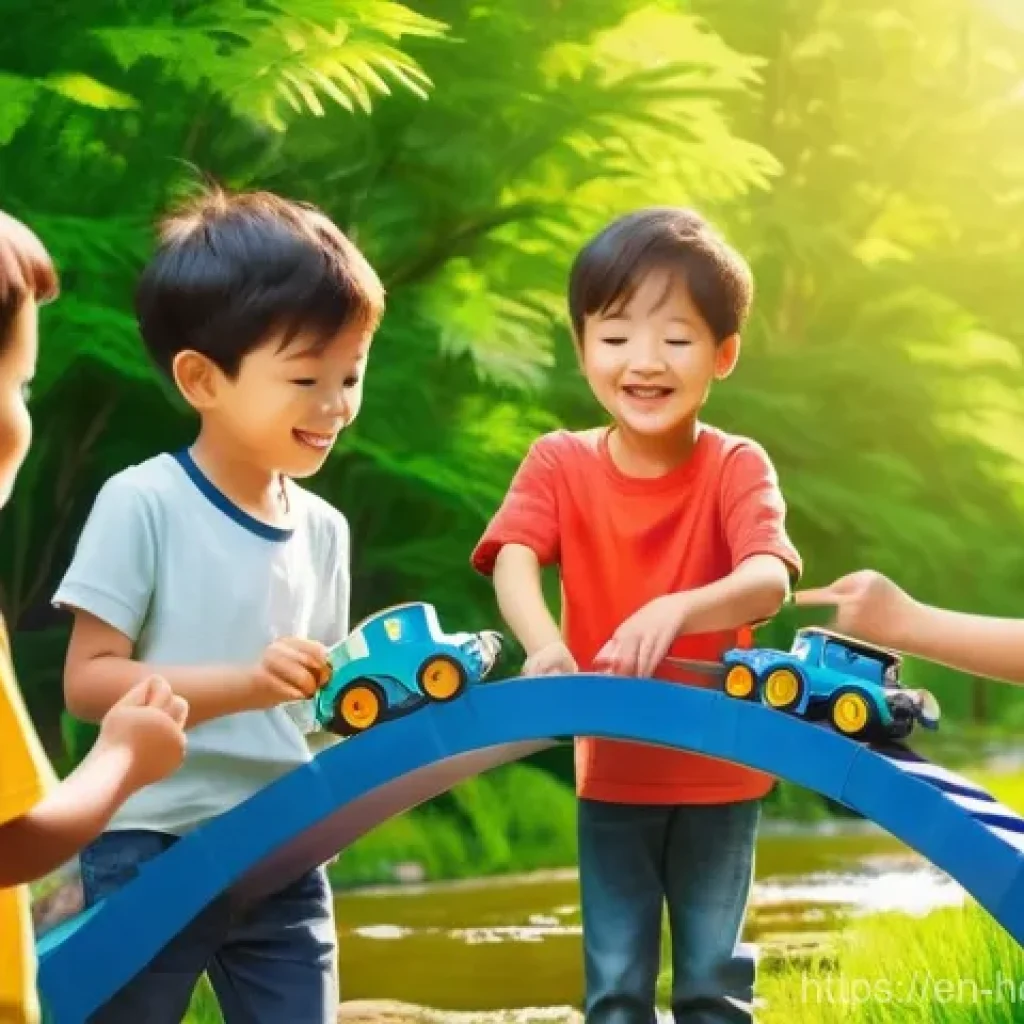
One of the aspects of Hello Carbot that genuinely captivates me is the emphasis on quick thinking and creative solutions. It’s never just a straightforward brawl; often, Cha Tan and his Carbot crew are faced with unique challenges that require them to think outside the box. I’ve seen villains with powers that seem insurmountable, only for the team to come up with a ridiculously clever strategy that turns the tide. This isn’t just about winning a fight; it’s about applying intelligence and resourcefulness. I particularly love episodes where the Carbots use their various transformation modes not just for combat, but for utility – like creating a temporary bridge, a makeshift shield, or even distracting an opponent with an unexpected move. It teaches viewers that sometimes the most powerful weapon isn’t strength, but smarts. It’s a brilliant way to encourage kids to develop critical thinking skills and to approach problems from different angles, rather than just giving up when the obvious solution isn’t working. I often find myself trying to predict how they’ll solve a puzzle, and more often than not, they surprise me with a solution I hadn’t considered. It’s a testament to the show’s clever writing and its commitment to stimulating young minds.
Thinking Outside the Box
I’ve witnessed so many instances in Hello Carbot where the team is up against a wall, and a conventional attack just won’t cut it. That’s when Cha Tan, or sometimes one of the Carbots, comes up with a truly ingenious plan. It might involve using the environment to their advantage, or combining abilities in an unforeseen way, or even using a villain’s own power against them. These moments are fantastic because they demonstrate that adaptability and creativity are just as important as brute strength. It’s a wonderful lesson for kids learning about innovation and how to approach challenges in school or at play. When I face a tricky situation, I sometimes joke to myself, “What would Cha Tan do?” It’s a silly thought, but it genuinely encourages me to step back and consider solutions I might not have initially thought of. The show consistently encourages viewers to be imaginative and not be afraid to try unconventional approaches when standard methods fail. This creative spark is something that stays with you long after the credits roll, making the viewing experience truly enriching.
Learning from Every Challenge
Every single challenge, win or lose, becomes a learning opportunity in the world of Hello Carbot. The team doesn’t always succeed on the first try, and honestly, that’s one of the most valuable lessons it teaches. They stumble, they make mistakes, but crucially, they analyze what went wrong, adapt their strategy, and come back stronger. I’ve seen episodes where a particular villain seems unbeatable, only for Cha Tan and his Carbots to spend time reflecting on their previous encounter, discussing different approaches, and then devising a completely new tactic. This process of trial and error, reflection, and improvement is a cornerstone of genuine growth. It teaches kids that failure isn’t the end; it’s a stepping stone to success, and that every setback provides valuable insights. This resilience and continuous learning mindset are qualities that are essential in life, both for young children and for adults navigating complex problems. It’s a really positive reinforcement that you can always learn and improve, no matter the situation.
The Unbreakable Bonds of Family
While the action and robot transformations are undoubtedly thrilling, what often tugs at my heartstrings in Hello Carbot is the underlying theme of family. Cha Tan’s relationship with his parents, particularly his mom, provides such a grounding force in his often-extraordinary life. It’s not always overt; sometimes it’s in the quiet moments of support, the gentle scolding, or the shared laughter. The show beautifully portrays the typical family dynamics – the occasional squabbles, the unwavering love, and the lessons learned around the dinner table. I’ve personally seen how these everyday family interactions provide a sense of stability for Cha Tan, even when he’s off saving the world with his Carbots. It reminds us that no matter how big or small our adventures are, our family unit is often our first and most important support system. The show doesn’t just focus on the heroics; it dedicates time to showing the importance of household chores, respecting elders, and simply enjoying quality time together. It’s a fantastic way to teach kids about the importance of their own families and the comfort and strength that comes from those bonds. It’s a refreshing balance between fantasy action and relatable, everyday life.
Lessons from Home
I genuinely appreciate how Hello Carbot weaves in everyday family lessons. It’s not always about grand pronouncements; sometimes, the most profound teachings come from seemingly mundane situations at home. I’ve seen episodes where Cha Tan learns about responsibility by helping his mom with chores, or about honesty after a small fib to his dad. These moments, while often brief, are incredibly impactful because they are so relatable to a child’s daily life. It’s a subtle way of showing that the values we learn within our family unit – respect, integrity, diligence – are foundational to becoming a well-rounded individual. It reinforces the idea that what happens at home shapes who we are in the wider world, even when facing supervillains! I remember one scene where Cha Tan had to choose between playing with his Carbot and helping his mom, and his ultimate decision showcased a clear understanding of priorities learned from his upbringing. These small, domestic scenes are often my favorite because they add so much depth and humanity to the characters, making them incredibly real and approachable for young viewers. They show that life isn’t just about big adventures, but also about the small, consistent efforts we make at home.
Supporting Each Other Through Thick and Thin
The familial support system in Hello Carbot is truly inspiring. While Cha Tan’s parents aren’t always aware of his Carbot adventures, their love and care for him are a constant backdrop. When Cha Tan is sad, worried, or even just feeling under the weather, his parents are there to offer comfort and guidance. This highlights the crucial role that family plays in providing emotional security. I’ve seen firsthand how a child’s confidence is bolstered by knowing they have a loving and supportive home to return to, no matter what challenges they face outside. It’s a beautiful portrayal of unconditional love and the idea that family is the ultimate safe harbor. Even when there are minor disagreements, the underlying current of affection and understanding is always present, showcasing a healthy family dynamic. It reminds me of how my own family has been my rock through various life stages, offering encouragement and a listening ear. This consistent message of familial warmth adds a beautiful layer of emotional depth to the show, teaching kids that their families are their most important allies in life.
Responsibility: A Carbot’s True Calling
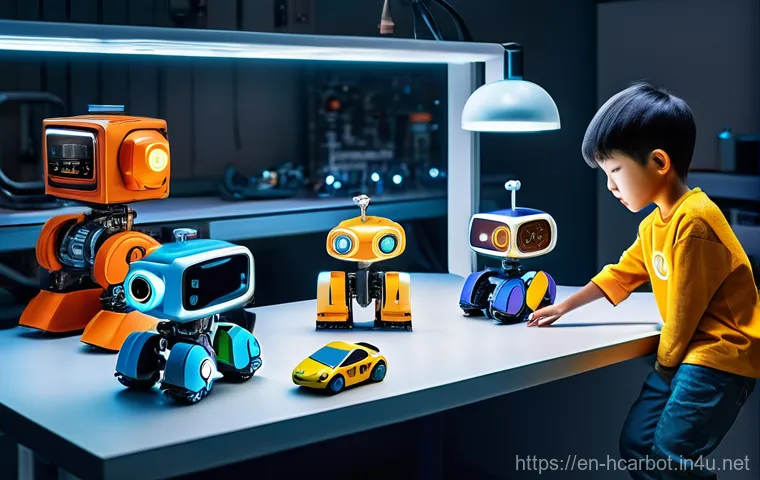
Beyond the high-flying action and cool transformations, one of the most understated yet critical themes in Hello Carbot is responsibility. It’s not just about Cha Tan learning to manage his powerful Carbot friends; it’s about understanding the consequences of actions, caring for others, and recognizing one’s place in the larger community. I’ve often noticed how the show subtly weaves in messages about environmental responsibility, like when a villain causes pollution, and the Carbots, with Cha Tan’s guidance, work to clean up the mess. It teaches kids that their actions, big or small, have an impact on the world around them. Furthermore, Cha Tan frequently grapples with the responsibility that comes with possessing such extraordinary power. He learns that with great power comes great responsibility, a timeless lesson that resonates deeply. It’s never just about defeating the bad guy; it’s about protecting the innocent, restoring balance, and ensuring a better future. I find myself nodding along, thinking about how this applies to my own life – the responsibility of managing my finances, my health, or even my online presence. The show effectively communicates that being responsible is a continuous journey of learning and making conscious choices, preparing young viewers for the real-world responsibilities they will eventually face.
Caring for Our World
I’ve always been impressed by how Hello Carbot integrates messages about environmental care and civic duty. It’s never a heavy-handed lecture; instead, it’s naturally woven into the storylines. Whether it’s a Carbot helping to clean up a littered park, or an episode highlighting the importance of conserving resources, the show gently nudges viewers towards being more mindful of their surroundings. This is such an important lesson for today’s generation, teaching them to be good stewards of the planet. I remember one villain whose entire plot revolved around wasting resources, and the subsequent efforts of Cha Tan and his Carbots to not only stop him but also to educate others about sustainable practices. It was a fantastic way to introduce complex concepts in an understandable and engaging manner. It truly shows that caring for our environment isn’t just a grown-up problem, but something everyone can contribute to, fostering a sense of collective responsibility from a young age. This theme is particularly strong and well-executed, making a lasting impression on young minds.
Owning Your Actions
Another crucial aspect of responsibility portrayed in Hello Carbot is the importance of owning your actions, both good and bad. There are times when Cha Tan or one of the Carbots makes a mistake, sometimes with unintended consequences. What follows isn’t blame-shifting or denial; it’s an honest acknowledgment of the error and a concerted effort to make things right. This teaches kids the invaluable lesson of accountability. It shows them that taking responsibility for your mistakes, apologizing when necessary, and actively working to rectify a situation are signs of strength, not weakness. I’ve seen this play out in various scenarios, from accidental property damage during a fight to a misunderstanding between friends. Each time, the resolution reinforces the idea that integrity means facing the music and striving to do better next time. It’s a core life skill that the show models exceptionally well, helping young viewers understand the importance of honesty and personal integrity in all their interactions. It definitely resonates with my own experiences of learning from past errors and the value of a sincere apology.
Empathy and Understanding Others
Perhaps one of the most beautiful and deeply human themes explored in Hello Carbot is empathy. It’s about seeing the world through someone else’s eyes, understanding their feelings, and responding with compassion. I’ve witnessed countless moments where Cha Tan, or even the Carbots themselves, show incredible understanding towards characters who might initially seem like adversaries or outsiders. Sometimes, the “villain” isn’t inherently evil but is driven by misunderstanding, fear, or a sense of loneliness. In these instances, Cha Tan often tries to reach out, to understand their motives, and even to help them. This teaches a profound lesson that not everyone who causes trouble is necessarily bad, and that sometimes, a little understanding can go a long way. It’s a fantastic way to encourage kids to be more tolerant and compassionate in their own interactions, whether it’s with a new classmate or someone who seems a little different. The show subtly guides viewers towards realizing that bridging differences starts with empathy, fostering a more inclusive and understanding perspective. It’s a theme that truly enriches the narrative, elevating it beyond simple good-versus-evil storytelling.
Walking in Someone Else’s Shoes
The concept of putting yourself in someone else’s shoes is brilliantly illustrated in Hello Carbot. There are episodes where characters, initially at odds, eventually come to understand each other’s perspectives through dialogue and shared experiences. I’ve seen Cha Tan actively try to understand why a particular villain is acting out, rather than just immediately fighting them. This leads to fascinating resolutions where conflict is sometimes defused not by combat, but by mutual understanding. This powerful message teaches children the importance of listening, observing, and trying to comprehend the underlying reasons behind someone’s behavior. It’s a vital skill for navigating social situations and building healthy relationships. I’ve often found myself reflecting on these moments, thinking about how much better our world would be if we all made a conscious effort to understand before we judge. The show makes it clear that empathy isn’t a weakness; it’s a superpower that can solve problems in ways that physical strength never could. It fosters a sense of compassion that I truly believe is essential for personal growth and societal harmony.
Bridging Differences
In a world that often highlights divisions, Hello Carbot consistently champions the idea of bridging differences. The show features a diverse cast of characters, both human and Carbot, each with their own unique personalities, strengths, and even quirks. Despite these differences, they learn to coexist, collaborate, and even become the best of friends. I’ve seen how conflicts arise from misunderstandings or preconceived notions, but are often resolved when characters take the time to truly see and appreciate one another’s unique qualities. This is a crucial lesson for young viewers about tolerance and acceptance. It teaches them that our varied backgrounds and perspectives aren’t barriers, but rather enrich our collective experience. It’s about celebrating what makes each of us unique while finding common ground. The show demonstrates that by being open-minded and willing to engage with those different from us, we can build stronger communities and more meaningful relationships. This message of unity in diversity is beautifully and consistently woven throughout the entire series, making it incredibly relevant and impactful in today’s global landscape.
Overcoming Obstacles, Inside and Out
At its core, Hello Carbot is a masterclass in overcoming challenges, both external and internal. Yes, there are epic battles against menacing foes, but just as importantly, the characters, especially Cha Tan, often have to conquer their own doubts, fears, and personal shortcomings. I’ve watched him grapple with moments of self-doubt, feeling inadequate, or even frustrated when things don’t go as planned. Yet, with the support of his Carbots and his own inner resilience, he always manages to push through. This dual focus on external threats and internal struggles makes the show incredibly relatable and inspiring. It teaches kids that facing a big, scary monster is one kind of bravery, but facing your own insecurities is another, equally important, kind of courage. I find this particularly powerful because it acknowledges the emotional landscape of growing up, showing that overcoming personal hurdles is just as vital as defeating a supervillain. The show consistently delivers the message that perseverance, a positive attitude, and believing in yourself are key to navigating life’s many obstacles. It’s a wonderful metaphor for the real-life challenges we all encounter, from a tough exam to a difficult personal decision. Every episode, in its own way, is a little pep talk for resilience.
Confronting Personal Fears
One of the aspects I truly admire about Hello Carbot is how it subtly addresses personal fears. It’s not always about a fear of heights or monsters; sometimes it’s the fear of failure, the fear of disappointing others, or even the fear of trying something new. I’ve observed Cha Tan and his Carbot friends confronting these very human anxieties. For instance, a Carbot might hesitate to use a new, untried ability, fearing it won’t work or might even cause harm. Through encouragement and a leap of faith, they learn to overcome these mental blocks. This is such a valuable lesson for children, showing them that it’s normal to feel apprehensive, but pushing past those feelings is how we grow. It resonates deeply with my own experiences of having to step out of my comfort zone, whether it was starting this blog or trying a new skill. The show consistently reminds us that often, the biggest obstacles aren’t external; they’re the ones we create in our own minds. Overcoming these personal fears is depicted as a significant victory, just as important as winning any physical battle. It’s a beautiful affirmation of the power of self-belief.
Teamwork Makes the Dream Work
I know I’ve touched on teamwork before with friendship, but it’s such a crucial element in overcoming obstacles that it deserves its own spotlight here. When Cha Tan and his Carbots face an overwhelming opponent or an impossible situation, it’s rarely a solo effort that saves the day. It’s the seamless coordination, the trust in each other’s abilities, and the combined strategic thinking that ultimately leads to victory. The show beautifully demonstrates that when individuals unite their efforts, they can achieve far more than they ever could alone. I’ve often seen them leveraging each other’s unique strengths to compensate for weaknesses, creating a synergistic force that is truly inspiring. This is a fundamental lesson for kids about collaboration in school projects, sports teams, or even just playing together. It reinforces the idea that sharing the load and supporting your teammates makes challenges less daunting and successes more fulfilling. When I think about complex problems I’ve faced in my own life, whether professional or personal, I almost always recall how essential a collaborative approach was. Hello Carbot consistently highlights that shared effort, mutual support, and belief in your team are the ultimate keys to conquering any obstacle that stands in your way. It’s a powerful and enduring message.
| Hello Carbot Core Themes | Impact on Viewers | Real-World Application |
|---|---|---|
| Friendship & Teamwork | Fosters social skills, cooperation, and loyalty | Group projects, sports teams, building supportive relationships |
| Courage & Resilience | Encourages bravery in the face of fear, perseverance | Facing school challenges, trying new hobbies, overcoming setbacks |
| Problem Solving & Ingenuity | Develops critical thinking, creativity, and adaptability | Academic assignments, everyday dilemmas, innovative thinking |
| Responsibility & Empathy | Teaches accountability, care for others and the environment | Community involvement, ethical decisions, understanding diverse perspectives |
| Family Bonds | Highlights importance of love, support, and communication | Stronger family relationships, respect for elders, home duties |
글을 마치며
Wow, what a journey we’ve had diving deep into the world of Hello Carbot! It’s truly amazing how a show seemingly about transforming cars can offer such profound lessons on friendship, bravery, family, and so much more. As someone who’s watched countless hours of this with my own family, I can honestly say it’s more than just entertainment; it’s a vibrant tapestry of valuable life lessons wrapped in thrilling adventures. It’s been a joy exploring these themes with you, and I hope you feel as inspired as I do by Cha Tan and his incredible Carbot companions.
알아두면 쓸모 있는 정보
1. If you’re wondering where you can catch all the action and heart of Hello Carbot, it’s widely available on various streaming platforms. You can often find episodes on YouTube with English dubs or subtitles, making it super accessible for families in North America, the UK, and Australia. Sometimes, major children’s streaming services might also carry the series, so a quick search on your preferred platform should get you started on your Carbot adventure! Trust me, it’s worth the watch.
2. And if your kids (or let’s be honest, you!) fall in love with the characters, there’s a fantastic range of Hello Carbot merchandise out there. From the highly sought-after transforming toys that bring the on-screen magic to life, to action figures, and even apparel, you can often find them on online retailers like Amazon or specialized toy stores. These toys aren’t just fun; they actually encourage imaginative play, letting children create their own Carbot adventures right in their living rooms!
3. Beyond the pure entertainment, what really makes Hello Carbot shine is its subtle but powerful educational value. The show consistently weaves in lessons about teamwork, problem-solving, and emotional intelligence, presenting them in a way that’s easy for young minds to grasp without feeling like a lecture. As a parent or guardian, you’ll find it’s a wonderful tool for sparking conversations with your children about important values like honesty, empathy, and resilience, making screen time truly meaningful.
4. To truly maximize the impact of Hello Carbot, I highly recommend engaging with your kids as they watch. Ask them questions about what Cha Tan should do next, or how a character is feeling. This simple interaction can deepen their understanding of the story’s themes and help them apply these lessons to their own lives. You might be surprised at the insightful observations they make! It turns passive viewing into an active, shared learning experience that strengthens your bond.
5. While Hello Carbot is definitely targeted at a younger audience, don’t be surprised if you find yourself genuinely invested in the storylines and character development! The themes of friendship, courage, and overcoming adversity are universal, resonating with viewers of all ages. I’ve personally found myself tearing up at some of the heartfelt moments or cheering during the epic battles. It’s truly a show that bridges generations, offering something for everyone in the family to enjoy and appreciate.
중요 사항 정리
So, what’s the lasting message from our deep dive into Hello Carbot? For me, it boils down to this: life is an incredible adventure, and we’re always better when we face it with a strong heart and great friends by our side. The show consistently reminds us that true strength isn’t just about physical power; it’s about the courage to be kind, the wisdom to solve problems creatively, and the resilience to bounce back from challenges. It teaches us the irreplaceable value of family bonds, the profound importance of understanding others, and the personal responsibility we each hold to make our world a little bit better. Ultimately, Hello Carbot isn’t just a cartoon; it’s a vibrant blueprint for navigating life with integrity, empathy, and an unwavering spirit, inspiring both children and adults to find their inner hero in everyday moments.
Frequently Asked Questions (FAQ) 📖
Q: Beyond the awesome transformations, what are some of the most consistent and impactful life lessons that Hello Carbot episodes teach young viewers?
A: Oh, this is such a fantastic question, and one I often ponder myself! From my countless hours enjoying Cha Tan’s adventures, what truly stands out isn’t just the flashy robot battles, but the beautiful way Hello Carbot consistently weaves in powerful life lessons.
The biggest one, in my experience, has to be the profound emphasis on friendship and teamwork. Time and again, we see how Cha Tan and his Carbot pals overcome challenges not by individual strength, but by relying on each other, understanding different perspectives, and working together.
It’s truly heartwarming to watch. Beyond that, I’ve personally noticed a strong focus on courage, not just in facing giant villains, but in doing the right thing, even when it’s difficult.
And let’s not forget problem-solving! Every episode presents a unique dilemma, and it’s a treat to see Cha Tan and the Carbots think critically and creatively to find solutions.
It’s not about having all the answers, but about approaching obstacles with a smart, can-do attitude. These aren’t just one-off morals; they’re deeply embedded into the DNA of the show, making each episode feel genuinely enriching.
It makes me feel like my screen time is truly well-spent, and I’m sure many of you feel the same!
Q: How does Hello Carbot manage to integrate these valuable lessons so seamlessly without ever feeling preachy or forced?
A: This is the magic of Hello Carbot, isn’t it? It’s something I genuinely admire about the series. I’ve seen so many shows that try to shoehorn a “moral of the story,” but Hello Carbot nails it every single time without feeling heavy-handed.
From my perspective, the secret lies in its brilliant storytelling structure and character development. The lessons aren’t delivered through long, expository speeches; instead, they emerge organically from the plot itself.
Think about it: the Carbots are constantly getting into situations that require them to demonstrate kindness, practice patience, or learn the importance of honesty.
Cha Tan’s own struggles and growth are incredibly relatable, showing kids (and reminding us adults!) that making mistakes is part of learning. The action and humor are always at the forefront, keeping viewers completely engaged, and the lessons simply unfold as a natural consequence of the characters’ choices and experiences.
It’s like getting a delicious treat that also happens to be incredibly good for you. You’re so wrapped up in the excitement that the positive messages just sink in effortlessly, leaving a lasting impression.
That, to me, is the mark of truly masterful storytelling.
Q: Why do you believe Hello Carbot resonates so strongly with both children and adults, consistently drawing in such a diverse audience with its thematic depth?
A: Oh, if there’s one thing I’ve learned from discussing Hello Carbot with countless fans, it’s that its appeal truly spans generations! For the younger crowd, it’s pretty clear: the incredible transforming robots, the vibrant animation, and the thrilling battles are absolutely irresistible.
Kids get to immerse themselves in a world where good triumphs, and amazing vehicles turn into heroic allies. The characters are designed to be aspirational and fun, making it easy for children to connect with them and dream of their own Carbot adventures.
But for us adults? That’s where the thematic depth really shines, in my humble opinion. While we appreciate the animation, what keeps us coming back is the surprising heart and relatable life lessons.
As someone who’s seen a fair share of cartoons, Hello Carbot reminds me of the simple, yet profound, values that are timeless. It’s the nostalgia of seeing genuine friendship, the subtle nods to overcoming personal insecurities, and the clever ways problems are solved that truly resonate.
It creates a shared viewing experience that’s a win-win: kids get their action and fun, and adults get a dose of feel-good storytelling with genuinely positive messages.
It truly warms my heart to see a show that can bring families together in such a meaningful way!